
6 Books to Help Kids Process a Move
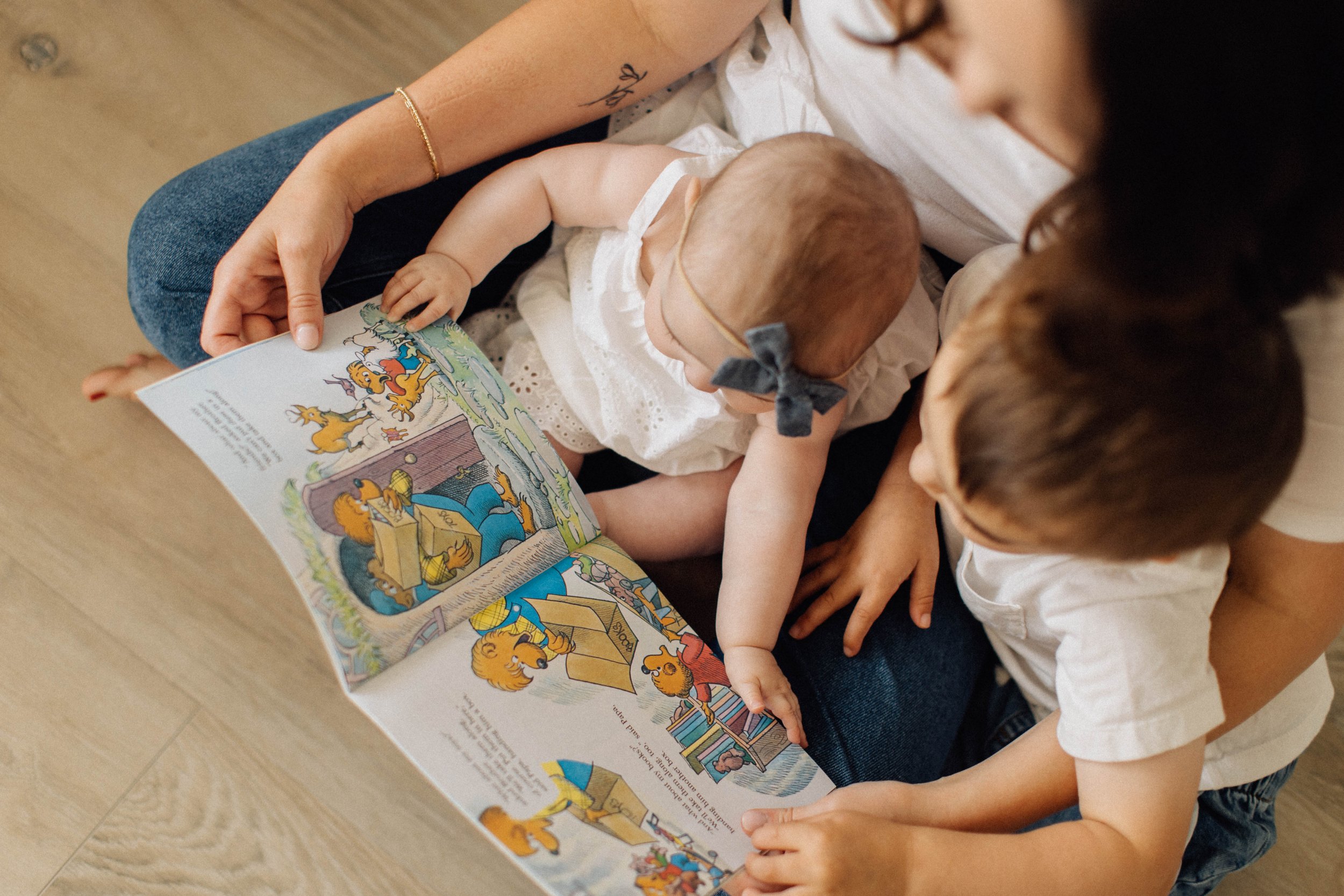
Sometimes a book gives kids a way to talk about feelings they don’t have the words for yet.
Moving can be exciting for kids - and hard.
A new home, new neighborhood or new school can bring plenty of anticipation, but kids are also leaving behind familiar routines, friends, teachers and places they love. Books can be a simple way to help children understand the change and open up conversations about how they’re feeling.
We’re a big book family, and books have been especially helpful through our own moves. These are six moving books we’ve used with our kids, and we’re pulling them out again as we prepare for what’s hopefully our last move.
1. The Berenstain Bears' Moving Day
By Stan and Jan Berenstain | Ages 3-7
The Bear family is moving, and Brother Bear isn't sure about leaving the home and neighborhood he knows.
This classic story explores saying goodbye, adjusting to change and discovering that a new house can eventually feel like home.
Good for: Kids who want to know what moving might actually look and feel like.
2. Moving House
By Stephen Cartwright | Ages 2-5
A simple, visual introduction to moving house, from packing up the old home to arriving and settling into the new one.
The detailed illustrations give younger children plenty to look at and talk about.
Good for: Toddlers and preschoolers who are still learning what "moving" actually means.
3. I'm Moving! New House, Same Underwear
By Brenda Li | Ages 3-7
Brian the pig doesn't want to leave his home, school or friends. A funny, chaotic moving day helps him work through his worries about starting over.
It's a lighthearted story that acknowledges that moving can be hard while showing that a new beginning can be exciting, too.
Our favorite: My 4-year-old is obsessed with this one. The underwear humor is a huge hit, and he asks to read it again and again. Plus- it is VERY cute!!
4. Alexander, Who's Not (Do You Hear Me? I Mean It!) Going to Move
By Judith Viorst | Ages 5-8
Alexander is very clear: he does not want to move.
He doesn't want to leave his friends, his home or the life he knows. The story gives kids space to experience the anger, sadness and resistance that can come with a move.
A favorite for big feelings: My 7-year-old is relating to Alexander a lot right now. She's having a harder time with this move, even though we're excited for it to be our forever stop. She'll be starting her third elementary school in two years, so saying goodbye to friends and another familiar school is a lot.
Knowing we're finally going to stay put has been a bright spot.
5. A World of New Beginnings
By Melissa Garin | Ages 3-7
Emma and Eliott move to a new country and experience the unfamiliar parts of starting over - new places, foods, words and people.
Good for: Families making an international move or any child who is nervous about everything that will be new.
This one leans more toward moving abroad, but the emotions of starting over somewhere unfamiliar are relatable to many kids.
6. Lenny & Lucy
By Philip C. Stead | Ages 3-7
Peter moves to a new home and feels uneasy about his unfamiliar surroundings. He creates Lenny and Lucy, two blanket guardians, to help him feel safe.
Good for: Kids who are feeling anxious or unsettled by the move.
This is the quietest and more emotional book on the list, focusing on fear, comfort and finding a sense of security in a new place.
How Books Can Help Kids Through a Move
Books don't make a move easier, but they can give kids a safe way to explore what they're feeling.
A story can also make it easier to start a conversation. After reading, try asking:
What do you think the character was feeling?
Is there anything about moving that makes you feel that way?
What will you miss?
What are you excited about?
What would make your new home or school feel more comfortable?
And don't worry if your child doesn't want to talk right away. Sometimes the book is simply an invitation. They may come back to the conversation later - when you're driving, packing or getting ready for bed.
Let Kids Feel More Than One Thing
One of the biggest things I've learned through our own moves is that kids don't have to choose between being excited and being sad.
A child can love their new home and miss their old one.
They can be excited about a new school and devastated to leave their friends.
They can know a move is the right choice for the family and still wish they didn't have to say goodbye.
Books can help normalize those mixed emotions and remind kids that there's room for all of them.
When to Read Moving Books
Before the move: Read together while you're talking about what's coming. It can help make an unfamiliar experience feel more concrete.
During the move: Keep a few favorite books accessible instead of packing every book away. Familiar stories can be comforting when everything else feels chaotic.
After the move: Keep reading them. Adjusting doesn't end when the boxes are unpacked. New schools, friendships and routines can take time.
A Simple Moving Gift for Kids
If you know a family who's moving, a few children's books can make a thoughtful moving gift.
Choose one or two books about moving and pair them with something familiar or comforting - a stuffed animal, notebook, blanket or small activity for the journey.
It's a small gesture, but it gives kids something they can use during a very big transition.
Final Thoughts
Moving is a big transition for the whole family, and kids can have a lot of feelings about it - sometimes all at the same time.
Books won't take away the hard parts, but they can give kids a way to see their feelings in a story, talk about what they're experiencing and feel a little more prepared for what's ahead.
As we get ready for our own move, I'm reminded that sometimes the simplest things - a familiar book, a bedtime routine or a story about a character going through the same thing - can make a big change feel a little less overwhelming.
Now I'd love to hear from you: What's your favorite book for helping kids through a move or another big transition? I'd love to add more to our list. Share it in the comments below!